Retailers, brands, and business owners in USA know how essential packaging is not just for protecting products, but for creating an impression, reinforcing identity, and differentiating in a crowded market. In this article, we dive deep into the world of Custom Retail Packaging—what it means, why it matters, how to choose, where to get it, cost factors, and how to make packaging work for your brand. Whether you want custom retail boxes, want to buy custom retail packaging, or just seek the best custom retail packaging, this is your guide.
What is Custom Retail Packaging & Why It Matters
Definition & Scope
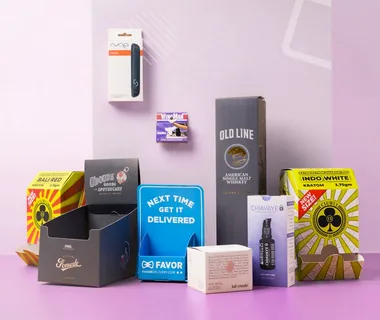
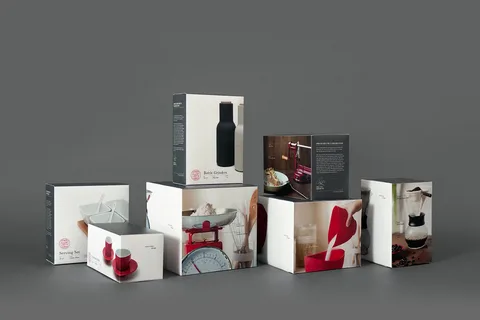
Custom retail packaging refers to packaging solutions specifically designed and produced to match your brand’s look, product dimensions, marketing goals, and customer experience. It includes materials, shapes, printing, finishing touches, inserts, and structural design. Synonyms include bespoke packaging, personalized cartons, tailored display boxes, or printed boxes with logo.
This goes beyond generic or off‑the‑shelf boxes. It involves:
- Designing packaging that reflects brand identity
- Printing artwork, logos, colours that match brand scheme
- Using materials that match product type (rigid boxes, cardboard, kraft, corrugated, paperboard, etc.)
- Add‑ons like windows, embossing, matte/glossy finishes, foil stamping, inserts/dividers
Benefits of Using Custom Retail Packaging
- Brand Recognition & Customer Experience
Custom packaging helps your product stand out on shelves or online, gives customers a quality feel, and influences perception of value. - Product Protection & Fit
When packaging is custom‑sized, using correct materials and inserts, your product is safer from damage during transit and handling. - Marketing & First Impression
The unboxing moment matters. Packaging serves as a silent salesperson—it tells your brand story. Unique retail boxes or eye‑catching designs can be powerful marketing tools. - Differentiation
In crowded verticals (beauty, food, fashion, electronics), packaging is a way to differentiate your offering. - Sustainability & Eco-Conscious Practices
Custom packaging gives you control over materials—if you choose recyclable, biodegradable, or low‑waste materials, your packaging can align with environmental values. - Cost Efficiency in Bulk & Long Term
While custom packaging has upfront investment (design, minimum order quantities), over time, having packaging that works well reduces waste, damage, and can improve logistics efficiency.
Key Elements in Choosing Custom Retail Packaging
When evaluating your options, consider these critical elements to ensure you end up with the best custom retail boxes for your product and brand.
Material & Durability
- Paperboard vs Corrugated Cardboard vs Rigid Box: depends on the weight, fragility, and visual flips.
- Food‑safe materials if packaging food items.
- Thickness, folding strength, moisture resistance (if shipping or storing in damp conditions).
Printing & Finishing Touches
- Types of printing (digital, offset, screen, UV)
- Finishes (gloss, matte, soft touch, spot UV, foil stamping, embossing/debossing)
- Additional features: windows/cut‑outs, handles, inserts, dividers
Structural Design & Style
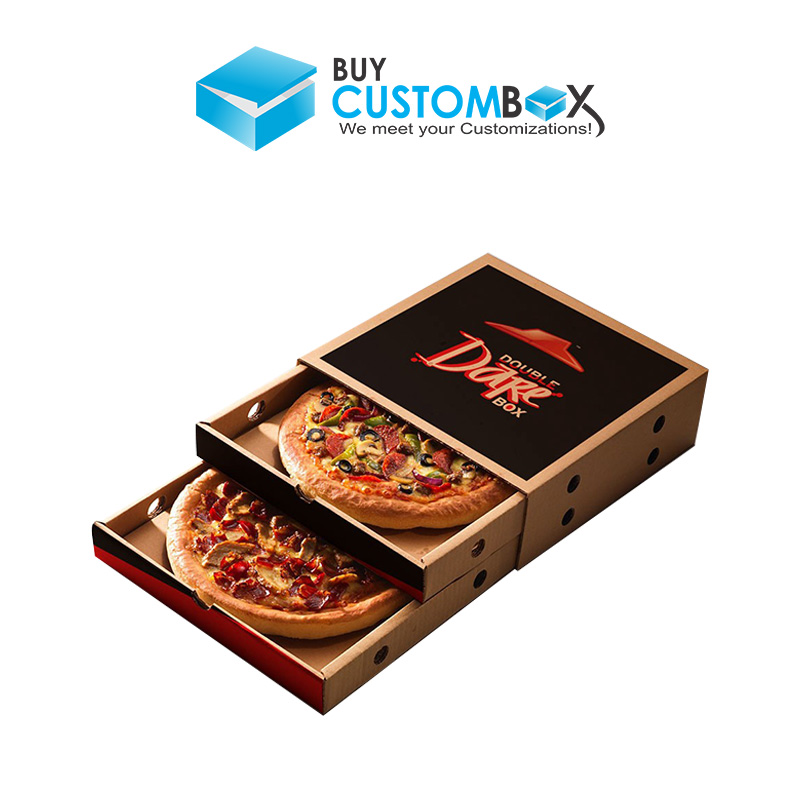
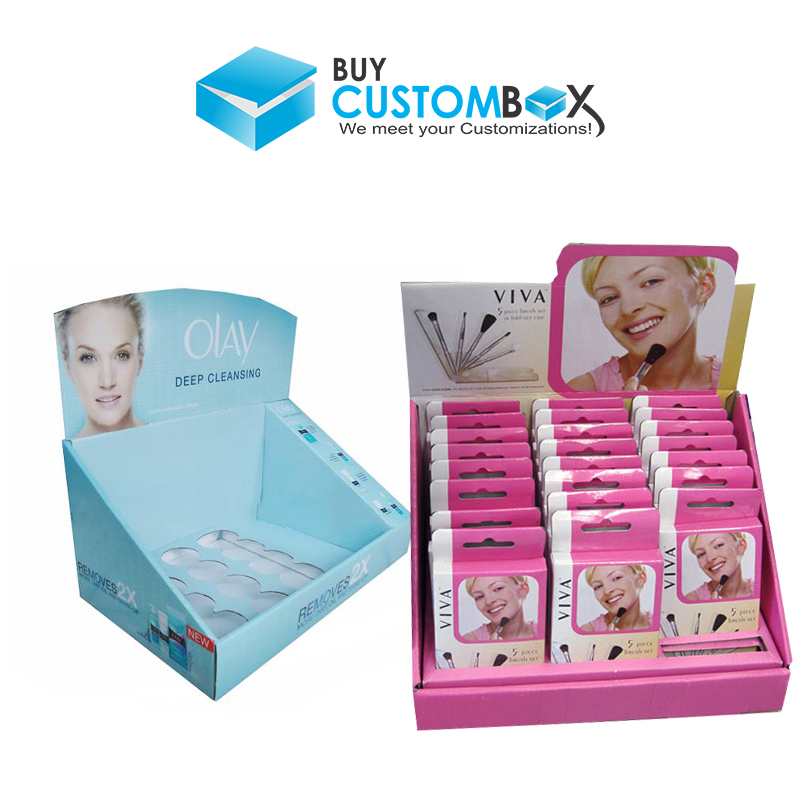
- Styles: tuck end, sleeve boxes, two‑piece boxes, pillow boxes, display boxes etc. The style should match the product type and how you wish customers to interact.
- Packaging design should consider both aesthetics and functionality (easy to open, protects product, transports well).
Brand Consistency & Visual Language
- Colours, logo placement, typography – ensure consistency across all your packaging elements.
- Packaging is part of brand identity – packaging should reflect product positioning (luxury, eco, minimal, artisanal, etc.)
Cost, Quantities & Total Investment
- Minimum order quantities (MOQs): many companies have thresholds. Smaller runs usually cost more per unit.
- Setup costs: design, dielines, dies or plates for printing, moulds for embossing etc.
- Shipping and logistics: weight, volume, packaging protection for shipping adds cost.
Sustainability & Ethics
- Source from suppliers that offer recyclable or compostable materials
- Use printing methods and inks that are non‑toxicity (e.g., water‑based)
- Consider life cycle of packaging (e.g. people keeping reusable packaging, or post‑use disposal)
Turnaround & Production Time
- How long does it take from final design approval to delivery?
- Samples / prototypes: ability to test a sample box before full production.
- Lead times for special finishes or complex structures
How to Get Started: Buying Custom Retail Packaging
Here is a step‑by‑step guide to help you go from concept to delivery in purchasing custom retail boxes.
- Define Your Objectives
- What is the product (size, weight, fragility)?
- What is your brand style and message? Luxury? Minimal? Rustic? Children’s? Eco?
- What is the target customer and how do you want them to feel when unboxing?
- Set Budget & Order Volume
- Decide how many boxes you need initially.
- Consider cost per unit at different quantities.
- Include design/setup fees, shipping costs.
- Choose Material & Style
- Pick the material based on protection needed & brand aesthetics.
- Decide box style (tuck end, drawer, two‑piece, etc.)
- Decide whether you need inserts, windows, etc.
- Design Artwork / Mockups
- Use a design agency / in‑house designer or rely on supplier’s design support.
- Get mock‑ups or prototypes for approval.
- Select Finishes & Printing Options
- Determine print quality, number of colours, finish type.
- Decide ornamentation: foil, embossing, gloss, matte etc.
- Request Quotes & Compare Suppliers
- Get multiple quotes based on the same specifications.
- Consider speed, price, minimums, quality.
- Order Sample Runs (if possible)
- A small batch to test packaging physically.
- See how the product looks, how it ships, customer feedback.
- Production & Delivery
- Approve final proofs.
- Confirm shipping & packaging protection.
- Track delivery and inspect quality.
Cost Drivers & Pricing Factors
Understanding what influences pricing helps you plan better and avoid surprises.
- Quantity / Volume: More units = lower cost per box.
- Material Type & Thickness: Rigid or heavy stock is more expensive; special materials add cost.
- Finish & Printing Complexity: More colours, special finishes (foil, embossing), window cutouts etc. increase cost.
- Structural complexity: Multi‑piece boxes, inserts, special shapes or tools cost more.
- Design / Setup Fees: For custom dielines, plates, mockups etc.
- Shipping & Logistics: Heavier/larger boxes cost more to transport; remote locations add cost.
- Lead Time / Urgency: Rush jobs may include expedited fees.
As a rough ballpark (for USA suppliers): simple custom retail boxes for a medium size product might cost a few dollars per unit in large batches; smaller runs or luxury finishes can rise substantially.
Best Practices to Ensure Quality & Customer Satisfaction
- Ask for prototypes / sample boxes before full production
- Check print quality: sharpness, colour fidelity, registration
- Evaluate structural integrity: strength of joints, lid closure, fit of inserts
- Test shipping performance: ensure boxes protect the product under shipping conditions
- Consider unboxing experience: ease of opening, packaging inside, protective wrapping
Sustainability & Regulatory Factors
- Make sure materials are compliant with USA regulations (food‑safe, packaging waste legislations)
- Use certified and sustainable sources (FSC, biodegradable papers)
- Minimize unnecessary packaging; try to reduce excess materials
- Consider reuse or recycling possibilities
Frequently Asked Questions
Q1: What minimum quantities do USA suppliers usually demand for custom retail packaging?
A: It varies. Some suppliers accept low MOQs (50–100 units) especially for simpler designs, while others require larger orders for cost efficiency, especially for stronger materials or premium finishes. Suppliers like YBY Boxes, Marvelpac etc. often offer lower minimums.
Q2: How long does it take from design to delivery for custom boxes?
A: Typical turnaround times range from 5 to 15 business days depending on complexity, finishing, material, and whether prototypes are involved. Suppliers with faster service can offer 7‑day or 10‑day lead times. Rush orders may cost more.
Q3: Are premium finishes like foil stamping or embossing worth the extra cost?
A: Yes—if your market, branding, and margins support it. Luxury touches can enhance perceived value, but they add cost and may increase lead time. Use them judiciously (e.g. on logo, accents, for gift or premium products).
Q4: Can custom packaging help reduce returns and damage?
A: Absolutely. Custom inserts, snug fits, strong materials, protective internal packaging help prevent movement and damage in shipping, which in turn can lower return or refund rates.
Q5: What are affordable ways to get started with custom retail packaging without huge upfront cost?
A: Some strategies:
- Start with simple designs and modest finishes
- Use existing box styles/templates
- Order smaller runs/samples first
- Collaborate with a supplier offering low MOQs
- Use stickers or bands on plain boxes as interim branding
Q6: How to keep packaging sustainable while maintaining appearance?
A: Use recyclable paper stock, avoid unnecessary plastic, minimize waste in packaging design, choose vegetable‑based inks, favor minimal packaging design, and encourage reuse or recycling.
Q7: What should I ask suppliers when getting quotes?
A: Among the key questions:
- What are the material options and thicknesses?
- What printing methods & finishes are available?
- What are the MOQs?
- How long is production + delivery?
- Are samples or proofs provided?
- What’s the cost of shipping and packaging protection?
Conclusion & Recommendations
Custom retail packaging is much more than just a box. It’s a powerful tool for brand differentiation, product protection, customer perception, and environmental responsibility. In USA, there are many reliable providers offering a wide spectrum of options from simple retail boxes to full‑custom luxury packaging.
To get the best custom retail packaging, start by clarifying your brand identity, product needs, budget, and design expectations. Compare suppliers, request samples, test, and scale gradually. If you balance quality, aesthetic, sustainability, and cost wisely, your packaging will become an asset, not just overhead.