
Understanding how many cigarettes come in a pack seems straightforward yet global variations, regulations, and industry standards make it more complex than most people realize. This complete Cigarette pack count guide explains everything from standard counts to how packaging is shaped, regulated, and compared across regions.
Whether you’re in manufacturing, retail, packaging design, or simply curious, this guide covers every major factor that determines cigarette quantity per pack.
Why Cigarette Pack Count Guide Size Matters
Cigarette pack sizes are influenced by many factors, including:
- Regulation laws
- Historical industry practices
- Consumer preferences
- Health warning requirements
- Packaging efficiency and cost
Understanding pack size helps in comparing brands, evaluating value, and understanding global tobacco standards.
Typical Pack Size for Cigarettes
The typical pack size for cigarettes in many countries is:
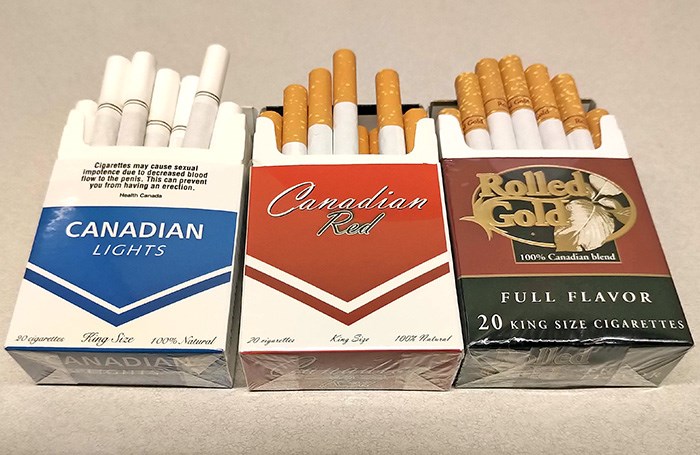
20 cigarettes per pack
This number became an industry standard due to:
- Machine manufacturing compatibility
- Consumer convenience
- Regulatory uniformity
- Packaging balance for cost and usability
However, different countries and brands may offer more or fewer cigarettes.
Cigarette Quantity Per Pack Around the World
United States
- Standard: 20 cigarettes
- Some brands: 25 cigarettes
- 10-pack options are rare
United Kingdom
- Only 20-cigarette packs allowed
- Smaller packs banned in 2017
USA
- Packs of 20 or 25 are common
- “Value packs” of 27–30 existed before packaging standardization
Australia
- Packs of 20, 25, 30, and even 40–50
- High variability due to market trends
European Union
- Minimum: 20 cigarettes
- Larger packs available by brand
Asia
- Wide range of 10, 12, 16, 20, or 25
- Mini-packs are popular due to affordability
Middle East
- Mostly 20 sticks per pack
- Some brands offer 25-count packs
This shows how the cigarette quantity per pack varies significantly by region.
How Cigarette Packs Are Sized
Cigarette pack dimensions depend on several factors:
Stick Length
- Standard (King Size): ~84mm
- 100s: ~100mm
- Slims: narrower diameter
- Super slims: very narrow
- Long cigarettes require taller packs
Stick Diameter
Slim or super-slim cigarettes influence pack width and internal spacing.
Health Warning Requirements
Governments regulate:
- Graphic warning size
- Minimum pack dimensions
- Plain packaging rules
These regulations often make packs larger to accommodate required labels.
Packaging Materials
Most packs use:
- Paperboard
- Foil interior
- Cellophane wrap
Material choice affects protection and branding but not quantity.
Pack Size Comparison
A useful look at pack sizes commonly found worldwide:
10-Pack (Mini Pack)
- Popular in Asia
- Budget-friendly
- Banned in many Western countries
20-Pack (Standard)
- Most globally recognized
- Fits traditional retail shelving
- Easy for pricing and taxation
25-Pack
- Popular “value choice” in Canada/Australia
- Slightly larger packaging
30-Pack
- Larger convenience option
- Less common due to regulations
40–50 Packs
- Seen in Australia
- Known as “bulk packs”
This pack size comparison helps explain why different markets choose different pack counts.

Cigarette Pack Contents
A typical pack includes:
- Cigarettes arranged in rows (usually 2 rows of 10)
- Foil wrapping to maintain freshness
- Interior barrier to preserve aroma
- Graphic health warnings
- Flip-top or soft pack design
Flip-Top Packs
- Most popular
- Strong and durable
- Easy to reseal
Soft Packs
- Flexible paper material
- No rigid shell
- Less common today
Cigarette Pack Regulations
Governments regulate pack size for multiple reasons:
Health Regulations
Minimum pack sizes prevent ultra-cheap packs from attracting young consumers.
Taxation and Pricing Rules
Smaller packs lower purchase cost, so they are restricted to discourage smoking.
Branding Limitations
Some countries require:
- Plain packaging
- Larger warnings
- Standardized fonts
These rules influence pack dimensions and design.
Consumer Transparency
Uniform pack sizes help consumers compare prices and avoid counterfeit products.
What Influences Pack Size Choices?
Manufacturers consider:
- Target market preferences
- Cost of production
- Competitor pack sizes
- Retail shelf compatibility
- Regulation compliance
As a result, pack sizes continue to evolve with market demand and legal requirements.
Companies offering custom packaging solutions, such as buycustombox, consider all these factors when designing cigarette packs.
Frequently Asked Questions (FAQs)
How many cigarettes are in a regular pack?
Most standard packs contain 20 cigarettes, but some markets offer 25 or more.
Why do some packs have 25 cigarettes?
They are marketed as “value packs,” giving a lower cost per cigarette.
Are 10-cigarette packs still available?
Only in some Asian and developing countries; they are banned in many Western regions.
Which pack size is most popular?
The 20-stick pack remains the global standard.
Do slim cigarettes come in different pack sizes?
Yes, they can come in 10, 20, or 25-stick packs depending on the brand.
Why do governments regulate pack size?
To control tobacco pricing, reduce youth smoking, and standardize health warnings.
What is inside a typical cigarette pack?
Foil wrapping, cigarettes arranged in rows, health warnings, and sometimes promotional materials.
Can cigarette packs contain more than 30 cigarettes?
Yes, especially in markets like Australia where 40–50 stick packs are sometimes sold.
Does packaging affect cigarette freshness?
Yes. Foil and barrier materials help preserve freshness and aroma.
Do all countries follow the same pack size standards?
No. Pack size varies greatly depending on local regulations and consumer habits.
Final Thoughts
Cigarette pack sizes may seem simple, but they’re shaped by decades of regulation, manufacturing standards, and consumer preferences. This Cigarette pack count guide helps you understand the reasoning behind pack variations, pack contents, and global size standards.
As regulations continue to evolve, packaging will also change—making it important for both consumers and businesses to stay informed.