
Introduction
In an era where sustainability isn’t just a trend but a business imperative, packaging plays a pivotal role in how brands present themselves to the world. Choosing the right packaging solution—one that balances performance, durability, and environmental responsibility—is no longer optional. Enter custom made cardboard boxes, where tailored design meets premium materials and eco-conscious values.
This blog explores everything you need to know about durable and eco-friendly custom packaging, particularly focusing on custom-made cardboard boxes produced to order. Whether you’re a small online retailer, a growing e-commerce brand, or a business shipping products across borders (including in markets like USA), this guide will walk you through why custom cardboard boxes matter, what materials and manufacturing processes make them premium, how to choose the right size and structure, and what benefits they bring in terms of brand identity and sustainability.
Let’s dive into how your packaging can work harder—protecting products, enhancing brand perception, and supporting environmental goals.
What Are Custom Made Cardboard Boxes?
When we talk about custom made cardboard boxes, we’re referring to packaging units that are specifically designed and manufactured to order, tailored in size, shape, material, print, and finish to meet the unique requirements of a product or brand. This is distinct from off-the-shelf boxes, where standard sizes and materials might not align perfectly with the product or brand identity.
Definition and Scope
- Custom size & fit: Rather than forcing your product into a generic box, custom boxes accommodate product dimensions, thereby reducing wasted space, excess padding, and shipping cost.
- Premium material choice: With custom boxes, you’re not locked into one material option—you can specify higher-strength corrugated cardboard, double or triple wall, recycled content, water-based inks, and more.
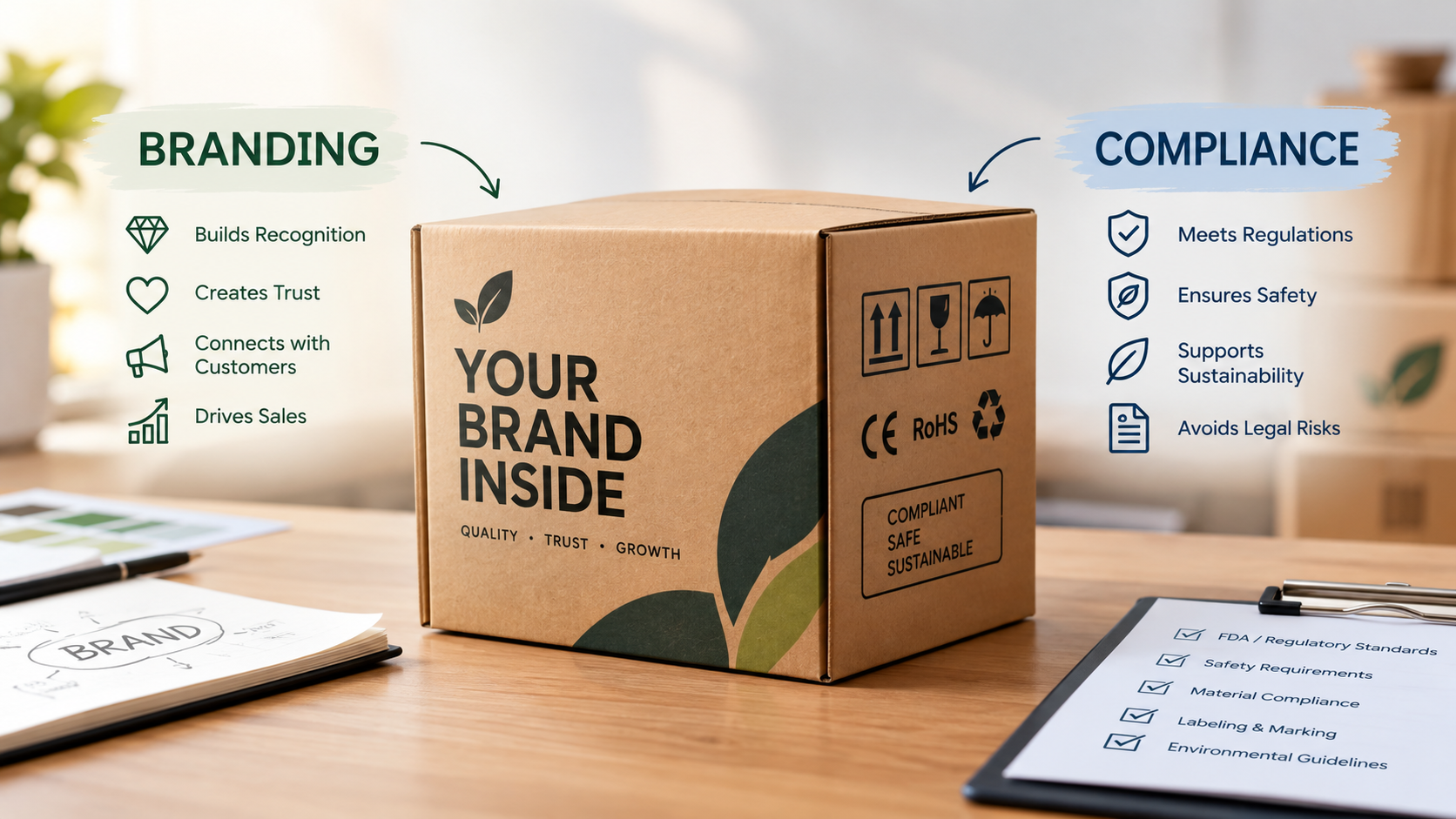
- Branding and print options: Custom boxes allow for tailored print, logos, colours, finishes (e.g., matte, gloss, embossing), giving you control over how your brand appears when the box arrives.
- Functional enhancements: Custom manufacturing allows additional features like inserts, dividers, handles, windows, and reinforced corners.
- Tailored for region & logistics: If you ship internationally or to specific markets (for example, USA), custom boxes let you adapt to regional shipping regulations, transport conditions, and customer expectations.
Why They Matter
- Product protection: A box made to fit the product well protects it better during transit—less shifting, less risk of damage, fewer returns.
- Cost efficiency: While custom design can cost a little more upfront, you save on padding/filler, reduce shipping volume/weight, and lower return costs.
- Brand experience: A well-designed custom box creates a memorable unpacking experience, reinforcing brand value and encouraging repeat purchases.
- Sustainability & differentiation: Being able to say you use custom boxes made from premium, eco-friendly materials helps you stand out.
- Scalability: As you grow, having one trusted custom solution allows you to streamline your packaging process while retaining flexibility for variations.
What Makes a Box Durable and Eco-Friendly?
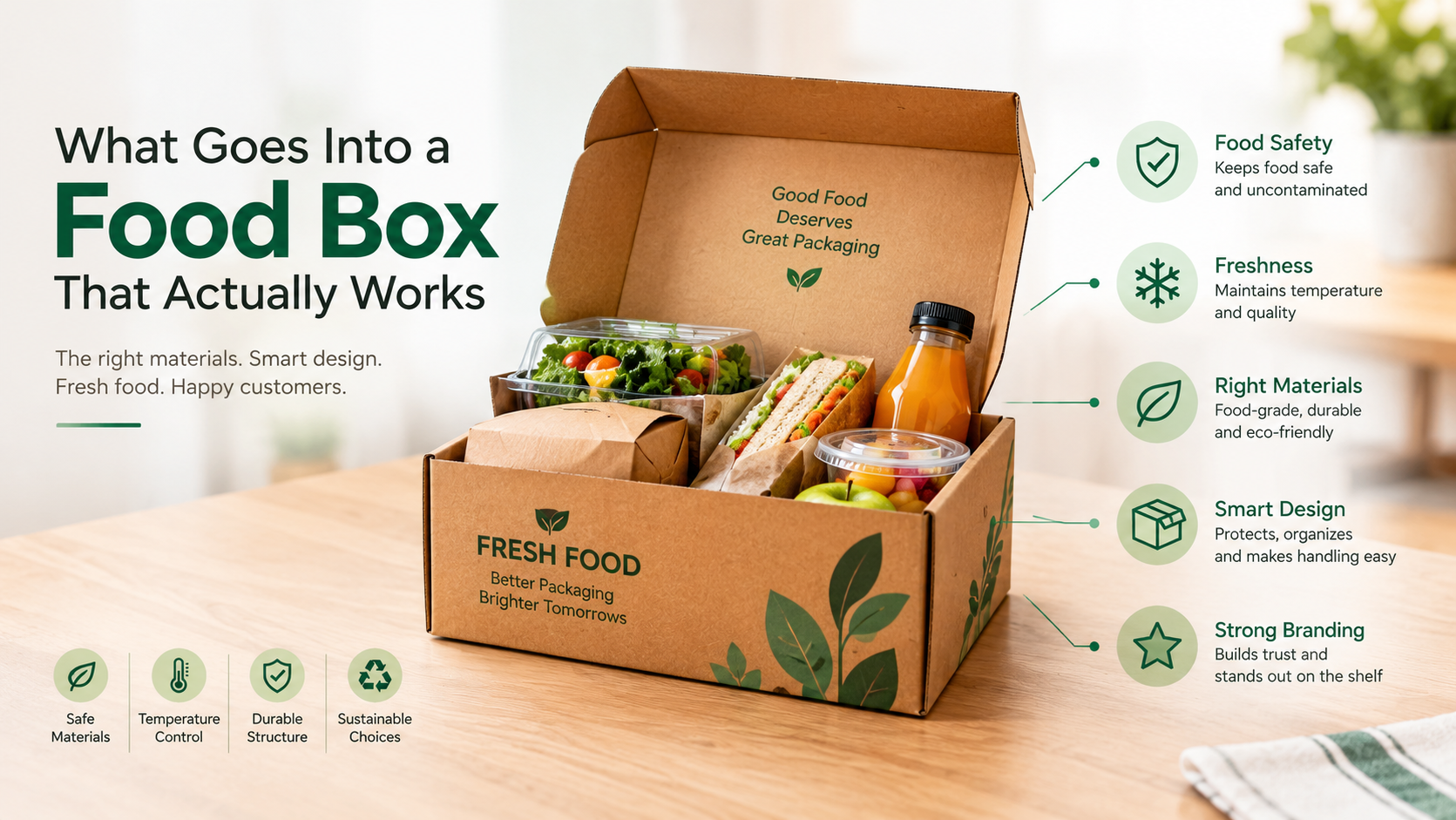
Not all packaging is created equal. For a custom cardboard box to truly deliver durability and eco-friendliness requires careful choice of materials, design, manufacturing, and lifecycle thinking.
Premium Materials and Construction
Corrugated Cardboard Types
Corrugated cardboard is the backbone of many shipping boxes—it typically consists of fluted (wavy) inner layers sandwiched between liners. There are different flute types (A, B, C, E, etc.) and wall constructions (single-wall, double-wall, triple-wall). Higher strength constructions are ideal for heavy or fragile items.
Recycled Content & Certifications
Using recycled fibres reduces reliance on virgin wood and lowers energy/water use. Many premium box manufacturers offer boards with a high percentage of post-consumer waste.
Inks, Adhesives, and Finishes
Eco-friendly custom boxes use water-based inks, minimal plastics in adhesives or lamination, and avoid harmful coatings. This ensures end-of-life recycling or composting is easier.
Structural Design for Durability
Durability is not just about material—it’s about smart design: reinforcement at corners, right sizing (reducing voids), adequate wall construction, proper fluting, and protective inserts. Good custom boxes are built for the real-world conditions of shipping, handling, stacking, and transport.
Eco-Friendly Aspects
Biodegradability & Recyclability
Cardboard breaks down more quickly than many plastic-based materials and often leaves no harmful residue. Recyclability is high, making corrugated boxes a strong choice for sustainable packaging.
Reduced Carbon Footprint & Resource Use
Using recycled materials, lighter weight designs, and manufacturing with less energy helps lower carbon emissions.
Fit-for-Purpose Reduces Waste
When boxes are custom-made to precisely fit the product, you minimize wasted material, excess filler, and shipping inefficiencies.
Circular Economy & Reuse Potential
Durable cardboard boxes can often be reused or repurposed. Some logistics systems even allow for “closed-loop” reuse of packaging.
Combining Durability with Sustainability
A packaging solution that is both tough and green is a win-win. For example, a double-wall corrugated box made from high recycled content board, using water-based inks and minimal plastic packaging tape, designed to perfectly fit a product, can deliver outstanding protection and sustainability. The key is a holistic approach: material + design + manufacturing process + end-of-life.
Advantages of Custom Made Cardboard Boxes for Your Business
Choosing custom packaging rather than standard boxes brings a host of advantages across logistics, branding, customer experience, and sustainability.
Logistics & Operational Benefits
- Right fit, smaller size: Shipping weight and volume often translate to cost. A box that is tailored helps reduce dimensional weight charges.
- Less filler material: When the box fits the product, fewer voids mean less need for extra padding, reducing cost and waste.
- Better stacking and transit performance: Custom structural design ensures the product is safer during handling and transit.
- Streamlined packaging operations: If you have a well-designed custom box, packers can work more efficiently with fewer size options.
- Regional adaptation: For markets like USA where shipping distances can be large and climate harsher, custom boxes can be specified for extra strength and moisture resistance.
Brand & Marketing Benefits
- Enhanced unboxing experience: A high-quality custom box feels premium, engages the customer emotionally, and reinforces your brand story.
- Printed branding and messaging: Custom boxes allow you to share your logo, product story, and values directly on the packaging—turning it into a marketing asset.
- Appealing to eco-conscious consumers: More customers are now seeking sustainable packaging. Using eco-friendly custom boxes builds trust and loyalty.
- Differentiation: In crowded marketplaces, custom packaging helps you stand out—especially if competitors use standard packaging.
Sustainability Benefits
- Reduced waste: Right-sized packaging uses less material, reducing waste and cost.
- Recycled & recyclable materials: Using cardboard with high recycled content supports circular economy goals.
- Lower environmental impact: Custom packaging allows you to choose efficient, environmentally friendly options.
- Regulatory preparedness: Eco-friendly packaging keeps your business ahead of future sustainability regulations.
Key Considerations When Ordering Custom Made Cardboard Boxes
Material Specification
- Board grade (single-wall vs double/triple wall): Choose based on product weight and shipping distance.
- Flute size: The flute type affects strength and cushioning.
- Recycled content: Opt for boards with high post-consumer fibre or certified sources.
- Finish & coatings: Choose eco-friendly finishes and water-based inks.
- Tape & adhesives: Use paper tape or eco-friendly solutions.
Size & Fit
- Measure product dimensions carefully.
- Allow for inserts if you have multiple items per box.
- Design for minimal void space but easy packing.
- Consider shipping constraints like dimensional weight and stacking loads.
Print & Branding Options
- Logo placement and graphics: Use high-resolution artwork.
- Colour vs minimal design: A natural kraft look often pairs well with sustainability.
- Information & compliance: Add recycling symbols and product info as needed.
- Cost vs quantity: Higher print complexity increases cost, but bulk orders reduce per-unit price.
Manufacturing & Lead Time
- MOQ (Minimum Order Quantity): Custom boxes often have order minimums.
- Production time: Custom manufacture takes weeks—plan ahead.
- Delivery logistics: Include shipping time from manufacturer to your facility.
- Quality control: Always request a sample or prototype before production.
Cost Considerations
- Material cost: Premium eco materials can cost more.
- Tooling/die cost: Custom sizes may require tooling investment.
- Print complexity: More colours and finishes increase cost.
- Shipping cost: Optimize size to reduce freight.
- Value-added benefits: Better brand perception and reduced returns offset higher upfront costs.
Why Choose BuyCustomBox for Your Custom Boxes
When you’re looking for a partner to supply true custom made cardboard boxes, you want a company that understands premium materials, sustainability, and the practical realities of shipping.
Choosing a specialist ensures you get:
- Expert guidance on board grade, recycled content, and sustainability credentials
- Tailored manufacturing to your exact dimensions and branding
- Eco-friendly practices that reflect your values
- Optimized cost through intelligent design and minimal waste
- Reliable delivery tailored to your region, including USA
By working with a partner who understands both durability and eco-friendly design, you’re investing in packaging that performs and represents your brand with pride.
Focus Keyword Integration & Market Relevance
Why “custom made cardboard boxes”
This term captures the essence of what businesses need: packaging that’s designed to order, offering flexibility in size, structure, print, and materials. It aligns packaging with brand identity and sustainability goals.
Why “custom made cardboard boxes USA”
For brands that ship within or to USA, this keyword emphasizes the importance of understanding Canadian logistics, environmental standards, and customer expectations. It connects your packaging search to local market needs, ensuring that your boxes meet both performance and sustainability benchmarks.
Sustainability in Action – How Custom Boxes Deliver Real Benefits
Lower Returns, Lower Damage
Tailored, durable boxes reduce product damage during transit, saving costs and enhancing customer satisfaction.
Shipping Efficiency and Cost Savings
Custom sizing minimizes shipping volume and filler, leading to lighter loads and reduced freight charges.
Improved Brand Loyalty and Customer Perception
Eco-friendly packaging builds trust and loyalty with environmentally conscious customers, strengthening brand reputation.
Material and Waste Savings
Recycled cardboard and efficient designs lower resource use and waste, making your operations greener.
Regulatory & Future-Proofing Advantage
With rising packaging waste regulations, custom sustainable boxes ensure compliance and prepare your brand for future standards.
FAQs
How much does a custom made cardboard box cost compared to standard boxes?
Costs vary by size, material, print, and quantity. While initial costs may be higher, savings from reduced shipping, fewer damages, and stronger branding often offset them.
What lead time should I expect for ordering custom made cardboard boxes?
Typical production time ranges from 3–6 weeks depending on complexity, volume, and location. Plan ahead to meet your delivery schedule.
Are custom made cardboard boxes really more eco-friendly than standard boxes?
Yes—when made with recycled materials, right sizing, and eco-safe inks, they significantly reduce environmental impact compared to generic packaging.
How do I make sure my custom box is the right size and strength?
Measure your products carefully, consider shipping conditions, and request a prototype before bulk production.
What about printing and branding? Can I still keep it eco-friendly?
Yes. Use water-based inks and avoid non-recyclable laminations or foils. Sustainable design doesn’t mean sacrificing visual appeal.
Is it worth custom boxes if I ship internationally, e.g., to USA?
Definitely. Custom durable packaging protects products over long distances, lowering damage and returns. It’s ideal for cross-border shipping.
How large does my order need to be?
Most manufacturers have minimum order quantities depending on design complexity. Some offer flexible low-run options for smaller businesses.
Summary & Call to Action
Choosing custom made cardboard boxes usa that are durable and eco-friendly gives your business a strategic advantage—protecting products, promoting your brand, and supporting sustainability.
Whether shipping locally or internationally, including to USA, the right custom packaging solution ensures better efficiency, customer satisfaction, and environmental responsibility.